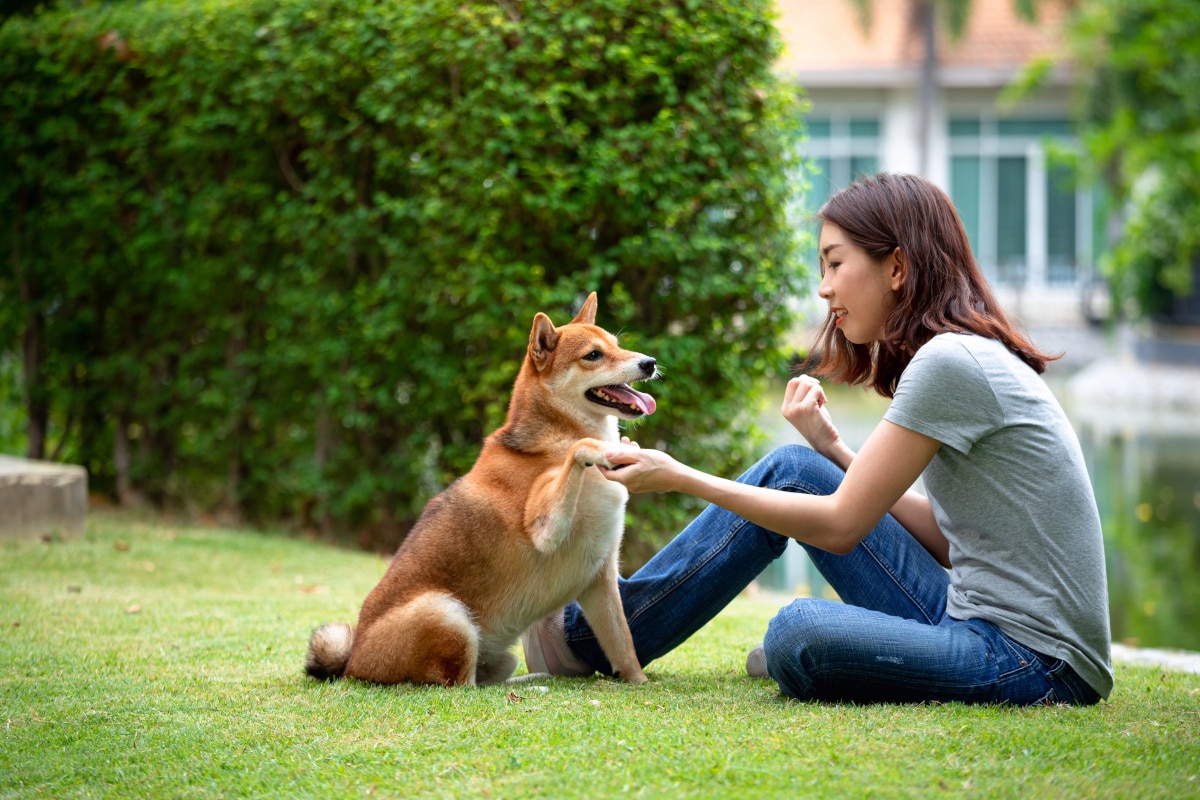
Training a Shiba Inu: Mastering the Willful Mind of the Ancient Breed
The Shiba Inu, a captivating and ancient Japanese breed often referred to as Shiba Ken, has stolen the hearts of many with its elegant, fox-like appearance and endearing loyalty. Yet, beneath that charming exterior lies a profound self-assurance and an independent spirit that makes training a unique and often challenging endeavor. To truly succeed in nurturing a well-behaved and happy Shiba, prospective and current owners must first intimately understand the core of the Shiba Inu Character: Understanding the Independent & Loyal Fox-Dog.
Unlike many other popular breeds, the Shiba Inu is not inherently a people-pleaser in the traditional sense. Their lineage traces back thousands of years as hunters in mountainous terrain, demanding intelligence, bravery, and the ability to make independent decisions. This deep-seated independence is both a hallmark of their personality and the primary factor shaping their training experience. While devoted to their human family, they possess a strong will and an innate desire to do things on their own terms, often leading to what owners affectionately call "selective hearing."
Unpacking the Unique Shiba Inu Charakter: More Than Just a Pretty Face
When you welcome a Shiba Inu into your home, you're not just getting a dog; you're adopting a unique personality defined by a blend of ancient instincts and surprising affection. The Shiba Inu character is marked by several key traits:
- Self-Confidence and Bravery: Shibas are rarely timid. They approach the world with a courageous and self-assured demeanor, which can be an asset but also means they won't be easily intimidated into compliance.
- Strong Will and Independence: This is arguably the defining characteristic. A Shiba learns quickly, but their willingness to perform a command is entirely dependent on their current motivation. They decide *when* they want to implement what they've learned, often preferring their own agenda over yours. This isn't defiance for defiance's sake, but rather a manifestation of their intelligent, problem-solving nature developed over centuries as independent hunters.
- Affectionate (On Their Terms): While they may not be lap dogs, Shibas form deep bonds with their human companions. They are playful and loyal, often showing affection in subtle ways, such as following you from room to room or leaning against your leg. Their attachment is genuine, making them suitable family dogs for those who appreciate their unique form of devotion.
- Vigilant Watchdogs: Despite being adaptable to apartment living, Shibas are excellent watchdogs. They are naturally alert and will typically only bark when there's a genuine reason, making them effective alarms without being overly yappy.
- High Prey Drive: Remnants of their hunting past mean Shibas possess a strong instinct to chase. Small, fast-moving objects are incredibly tempting, a crucial factor to consider in their training and daily management.
Understanding these facets of the Shiba Inu Charakter is the first step toward effective training. Recognize that you're not dealing with a dog bred for eager obedience, but rather a clever, autonomous companion.
The Shiba Inu Training Challenge: Why Traditional Methods Fall Short
Many common dog training methodologies, especially those relying on strict dominance theory or repetitive, drill-like commands, are largely ineffective with a Shiba Inu. Attempts at a "hard hand" approach will inevitably lead to resistance, distrust, and a breakdown in your relationship with your dog. A Shiba isn't comparable to a Border Collie or Labrador, breeds known for their strong desire to please and work collaboratively. For a Shiba, training is often a negotiation.
Their independent nature means they quickly get bored with rote repetition and will shut down if they feel pressured or unfairly treated. This is why they are often considered challenging for first-time dog owners. It requires an owner who is patient, consistent, and willing to think outside the box, seeing training not as an imposition, but as a collaborative game built on trust and mutual respect.
Patience, Consistency, and Positive Reinforcement: The Shiba Trifecta
Mastering the willful mind of a Shiba Inu hinges on three fundamental pillars:
- Unwavering Patience: A Shiba might know a command perfectly well, yet choose to ignore it if there's no immediate reward or if they're distracted by something more interesting. Expecting instant, unfailing obedience will only lead to frustration. Instead, practice commands in various environments, gradually increasing distractions. Celebrate small victories and understand that their "no" doesn't mean they don't love you; it just means they have a strong opinion.
- Ironclad Consistency: While patience is key, consistency is equally vital. Every family member must be on the same page with rules, boundaries, and commands. If "no jumping" is sometimes tolerated, your Shiba will quickly learn that the rule is negotiable. Establishing clear, non-negotiable rules from day one creates a predictable environment that a Shiba, despite their independence, thrives on. This consistency also helps in establishing you as a reliable leader without resorting to harshness.
- High-Value Positive Reinforcement: This is the cornerstone of successful Shiba training. Forget bland kibble; Shibas often require high-value treats like cheese, cooked chicken, or hot dogs to motivate them. Make training a fun, rewarding experience where they *want* to participate. Use clicker training to mark desired behaviors precisely. Remember, a Shiba's cooperation needs to be earned, not demanded. Short, engaging training sessions (5-10 minutes) are far more effective than long, tedious ones.
Navigating Common Training Hurdles with Your Shiba Inu
Beyond the general principles, there are specific challenges that Shiba owners frequently encounter:
- Managing the Prey Drive: The Shiba's strong hunting instinct necessitates constant vigilance. Off-leash privileges are a rare luxury and should only be considered in extremely secure, fenced areas, or with a very reliable recall built over years of consistent training. Even then, caution is paramount. Teach a solid "leave it" command and always walk your Shiba on a secure leash and harness. Early and consistent recall training, using a long line in safe environments, is critical for their safety.
- The "Shiba Scream": Many Shiba owners are familiar with the infamous "Shiba scream" – a high-pitched, piercing vocalization often employed when displeased (e.g., during nail trims or vet visits) or sometimes in extreme excitement. While startling, it's a unique form of communication. Understanding its context can help you respond appropriately and avoid escalating the situation with frustration.
- House Training: Thankfully, Shibas are generally very clean dogs and house training often comes quite easily. They prefer not to soil their living space. Consistent potty breaks, praise for going outside, and quickly cleaning up any accidents will solidify this natural inclination.
- Socialization: Due to their self-confident and sometimes dominant nature, early and thorough socialization is crucial. Expose your Shiba puppy to a wide variety of sights, sounds, people, and well-behaved dogs in a positive and controlled manner. This helps them grow into well-adjusted adults who are less likely to react negatively to new experiences. Socialization helps mitigate potential dominance issues with other dogs and ensures they are comfortable in various settings. It’s also important to consider if Is the Shiba Inu Right for You? A Look at Their Unique Personality aligns with your lifestyle.
Beyond Commands: Building a Strong Bond and Mental Stimulation
Successful training with a Shiba Inu extends far beyond teaching basic commands; it's about building a deep, respectful relationship and providing ample mental and physical outlets. A bored Shiba is a destructive Shiba.
- Mental Engagement: These intelligent dogs thrive on mental challenges. Incorporate puzzle toys, scent work, and enrichment activities into their daily routine. Teaching new tricks, even if they aren't always performed on cue, keeps their minds engaged and prevents boredom-related misbehavior. Vary your walking routes to provide new smells and sights.
- Physical Activity: As active and sporty dogs, Shibas require regular exercise. Long walks, especially in urban environments, are essential. While they are calm and relaxed indoors, they need an outlet for their energy. A tired Shiba is often a well-behaved Shiba. Engage them in play that mimics their natural instincts, like fetch or chasing toys, but always on a leash or in a secure area.
- Family Connection: Shibas need to feel like an integral part of their family. They thrive on close companionship. Include them in daily activities, spend quality time playing, and ensure they have a comfortable place within the home. A strong bond fosters trust, which is invaluable when navigating their willful tendencies.
Conclusion
Training a Shiba Inu is undeniably a journey that demands patience, consistency, and a profound understanding of their unique character. They are not the dog for everyone, particularly not for novice owners or those seeking immediate, unquestioning obedience. However, for those willing to invest the time and effort to understand and respect their independent spirit, the rewards are immense. A well-trained Shiba Inu is a loyal, affectionate, and endlessly entertaining companion, a testament to the strong bond forged through mutual respect and a deep appreciation for the ancient, willful mind of this extraordinary breed.